Warehouse Construction in Abu Dhabi – Trends Shaping 2025
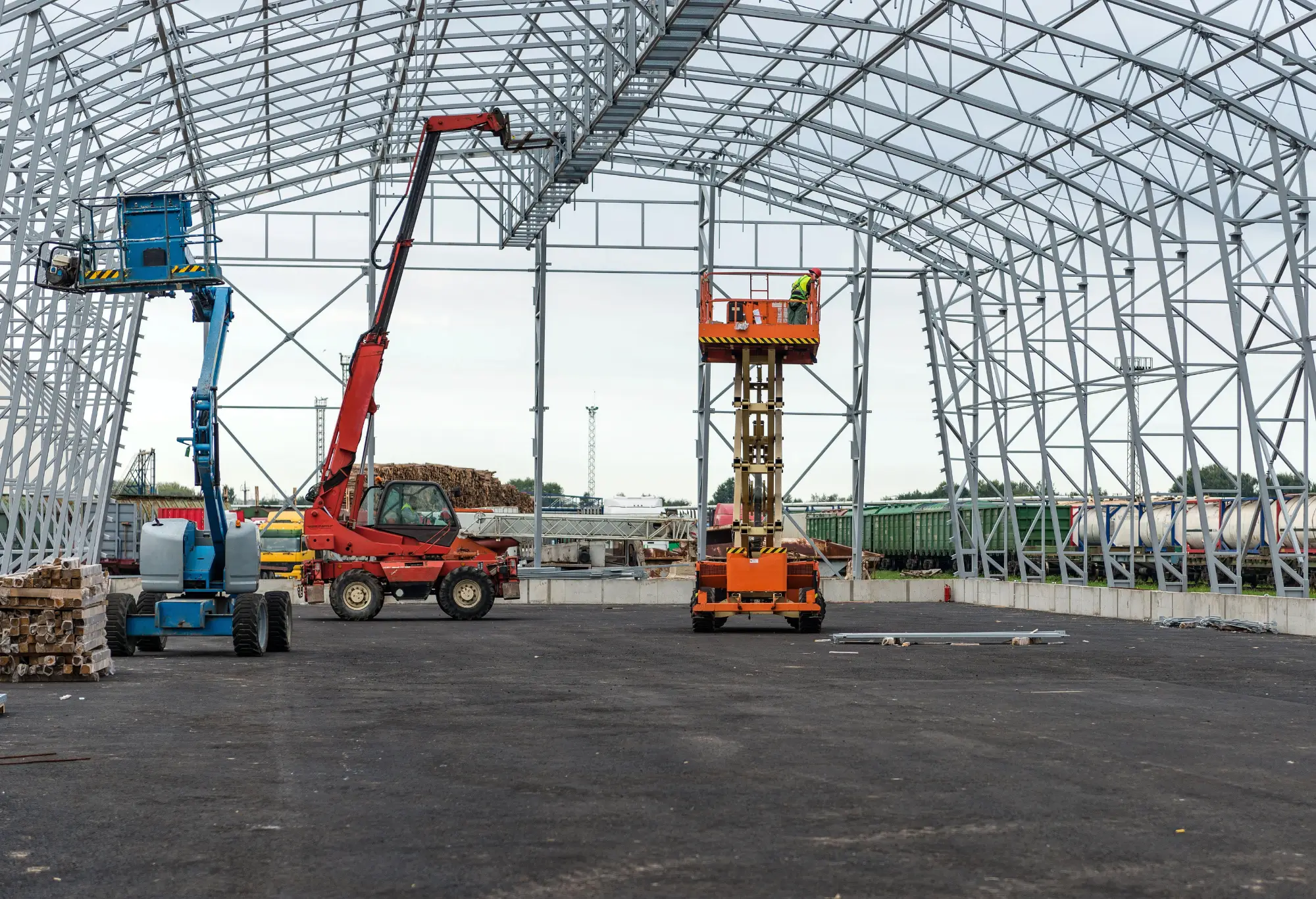
Warehouse Construction in Abu Dhabi – Trends Shaping 2025
The warehouse and industrial space sector in Abu Dhabi is evolving rapidly in 2025, responding to shifting demands from logistics, manufacturing, and e-commerce sectors across the UAE. As businesses look to optimize supply chains and support growing trade activities, understanding the latest trends in warehouse construction in Abu Dhabi is essential for stakeholders aiming for competitive advantage and operational efficiency.
Growing Demand for Industrial Warehouses in Abu Dhabi
Abu Dhabi is witnessing a strong surge in demand for industrial warehouses driven by population growth, expanding businesses, and the rise of e-commerce in the region. Rental rates for warehouse space have increased significantly, reflecting tight availability and high tenant demand. This has encouraged developers and warehouse builders in Abu Dhabi to accelerate new projects and focus on quality, location, and flexibility in their developments.
Key Warehouse Construction Trends for 2025
Modern, Flexible Warehouse Designs
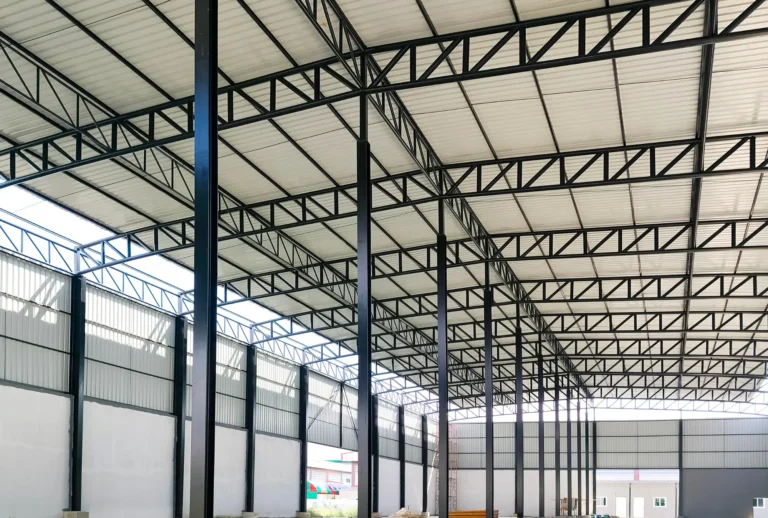
Warehouses are increasingly designed for adaptability. Modular layouts and clear-span structures allow businesses to customize storage and workflow as their needs evolve. This flexibility supports multi-sector usage—from cold storage to industrial manufacturing.
Technology Integration and Automation
Advanced warehouse automation, including robotics, AI-driven inventory management, and smart sensors, is being integrated during construction. Facilities optimized for automated systems improve accuracy, speed, and cost-efficiency.
Sustainability and Energy Efficiency
New warehouses in Abu Dhabi focus on sustainability practices such as solar panel installations, efficient HVAC systems, and eco-friendly building materials. These efforts align with UAE’s sustainability targets and reduce long-term operating costs.
Strategic Location and Connectivity
Proximity to logistics hubs, ports, and free zones like Khalifa Economic Zone Abu Dhabi (KEZAD) is a major factor. Warehouses near these areas benefit from reduced transport times and costs, supporting faster supply chain operations.
Mid-Sized Warehouse Units Gain Popularity
There is a rising preference for mid-sized warehouses (25,000-50,000 sqft) which offer a balance of scale and cost-effectiveness. This trend reflects a shift from large, single-use warehouses to more flexible options suitable for SMEs and diversified operations.
Challenges and Opportunities
While demand grows, construction costs are rising due to materials and labor shortages. Developers are adopting modular and prefabricated building techniques to control costs and speed up deliveries. Additionally, warehouse construction must comply with evolving regulatory standards focusing on safety and environmental impact.
What This Means for Warehouse Builders in Abu Dhabi
For warehouse builders in Abu Dhabi, the key is offering innovative, future-proof spaces that combine flexibility, technology readiness, and sustainability. Partnering with experienced construction firms like Safeway Engineering ensures projects meet these modern requirements, helping businesses thrive in a competitive marketplace.
FAQs on Warehouse Construction in Abu Dhabi 2025
- What are the latest warehouse construction trends in Abu Dhabi?
Key trends include flexible modular designs, integration of warehouse automation technology, sustainability features like solar panels, and locating near logistics hubs and free zones. - How does technology impact warehouse construction in the UAE?
Technology such as robotics, automated inventory management, and smart sensors is integrated during construction to improve operational efficiency and reduce manual labor. - Why is sustainability important in warehouse construction?
Sustainable features like energy-efficient lighting and HVAC systems reduce operational costs and align with the UAE’s environmental goals, which is increasingly demanded by tenants and regulators. - What sizes of warehouses are becoming popular in Abu Dhabi?
Mid-sized warehouses between 25,000 and 50,000 square feet are gaining popularity due to their balance of cost-efficiency and operational flexibility. - What challenges are affecting warehouse construction costs in Abu Dhabi?
Rising costs of materials and labor shortages are leading developers to use modular and prefabricated construction methods to control costs and timelines. - How important is location for warehouse construction in Abu Dhabi?
Very important. Warehouses near ports, free zones like KEZAD, and major roads benefit from reduced logistics costs and faster distribution. - Can warehouse designs be customized for different industries?
Yes, modern warehouses often feature adaptable layouts and specific build options such as cold storage or automated racking systems tailored to sector needs.